 +971501502596
 Order@elfbardubai.ae
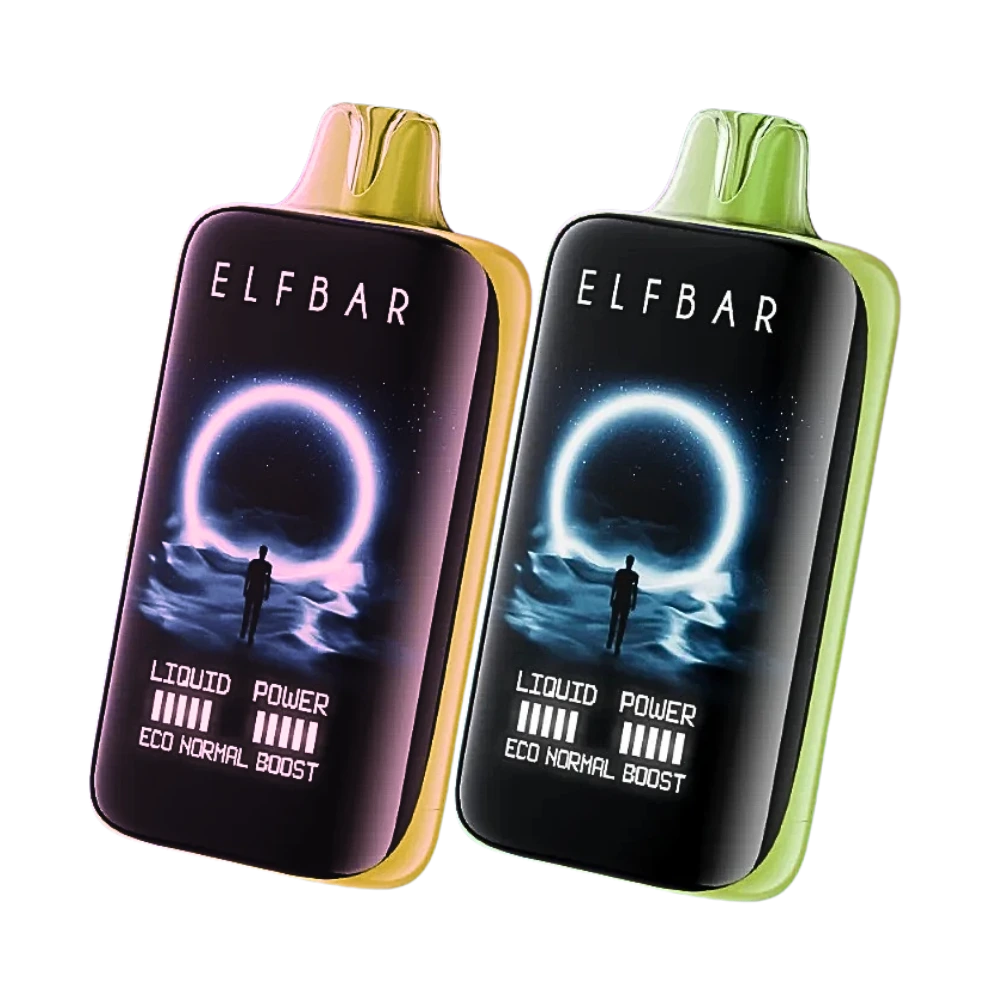
Understanding High-Puff Disposable Vapes: Features, Costs, and Key Consumer Considerations
High-puff disposable vaping devices have become increasingly common in many markets, ELF BAR 40K Puffs Disposable Vapes, often advertised with very large puff counts such as 20,000, 30,000, or even 40,000 puffs. These products are designed for convenience, offering a ready-to-use experience without the need for refilling e-liquid or replacing coils.
While the appeal is often based on longevity and ease of use, high-capacity disposable vapes raise important questions about pricing, safety, environmental impact, and nicotine exposure. This article provides a neutral overview of what consumers should know before engaging with this product category.
What Does “High-Puff” Mean?
The “puff count” is a marketing estimate of how many inhalations a device may provide before it runs out of battery power or e-liquid. Higher puff numbers generally indicate:
- A larger internal e-liquid reservoir
- A rechargeable battery
- A more durable coil system
However, puff counts are not standardized. Actual performance depends on individual usage patterns, such as puff length and frequency.
Common Features in High-Puff Disposables
Many high-puff disposable devices include upgraded features compared to smaller disposables. These may include:
Rechargeable batteries:
Because higher puff devices last longer, they often include USB-C charging to ensure the battery can support the full e-liquid volume.
Digital displays:
Some models now offer screens showing battery percentage or remaining e-liquid, reflecting the growing sophistication of disposable designs.
Flavor variety:
Disposable vapes are frequently sold in multiple flavor options, which is one reason they have gained popularity. At the same time, flavored nicotine products are a focus of regulatory debate in many regions.
ELF BAR 40K Puffs Disposable Vapes Why Prices Vary So Much
High-puff disposable vapes can range widely in price depending on several factors:
Battery size and electronics:
Devices with larger batteries, fast charging, or digital indicators typically cost more to manufacture.
E-liquid volume:
More e-liquid increases production cost and also affects shipping and regulatory requirements.
Branding and retail markup:
Some products are priced higher due to brand recognition or retailer positioning, while cheaper versions may raise quality-control concerns.
Regulatory compliance:
In markets with stricter oversight, compliant products may cost more due to testing, packaging rules, and import controls.
Health and Safety Considerations
It is important to recognize that disposable vapes often contain nicotine, which is an addictive substance. Health authorities have raised concerns about:
- Nicotine dependence, especially among young users
- Unknown long-term respiratory effects
- Potential exposure to harmful chemicals in aerosol form
Even if a device is marketed as “smooth” or “light,” nicotine intake can still be significant, particularly with high-puff products that last longer.
Consumers should also be cautious about counterfeit or unregulated devices, which may have inaccurate labeling or unsafe battery construction.
Environmental Impact
Disposable vapes present environmental challenges because they combine:
- Plastic housing
- Lithium batteries
- Electronic circuitry
These components are difficult to recycle properly and can contribute to electronic waste if not disposed of through appropriate channels.
Making Informed Decisions
For those encountering high-puff disposable vaping products, informed decision-making is essential. General recommendations include:
- Checking local regulations and age restrictions
- Avoiding products with unclear ingredient labeling
- Being aware of nicotine addiction risks
- Seeking medical guidance if using vaping for smoking cessation
Final Thoughts
High-puff disposable vapes represent a growing segment of the nicotine market, driven by convenience and product innovation. However, puff count marketing should not overshadow important issues such as safety, regulation, addiction potential, and environmental harm…
Reviews
There are no reviews yet.